

The design of industrial plants is a complex process that involves the planning, design, and construction of facilities for the production of goods and services. A good design must therefore be efficient, safe, and sustainable. It must also comply with legal requirements and applicable standards. Let’s take a look at some key aspects that should be considered in every project.
Process Flow
This phase involves identifying and analysing the processes required for the production of a good or service, and determining how these should be interconnected. The design of the process flow aims to maximise efficiency and minimise the risks associated with production.
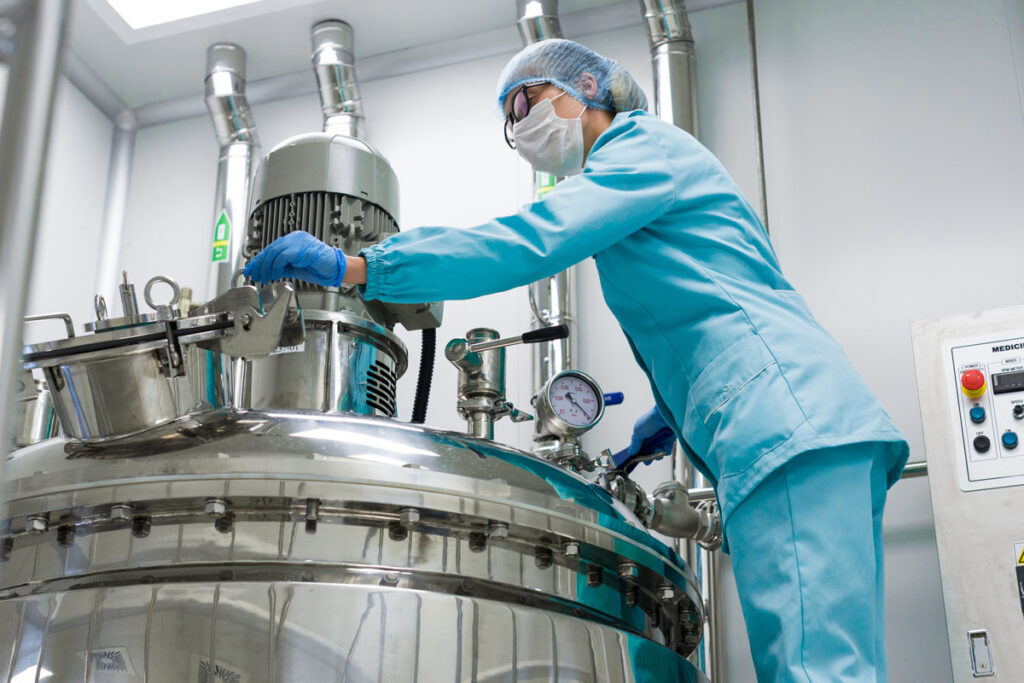
- Food Industry
An example of application in the food industry is fruit juice production. In this process, the fruits are cleaned, cut, pressed, and pasteurised before being packaged. The design of the flow, in this case, must consider factors such as efficiency, proper waste management, and food safety.
Plant Layout
It involves determining the location and design of work areas, equipment, and facilities within the plant. The goal of this planning is to find the optimal physical configuration for placing the different production environments.
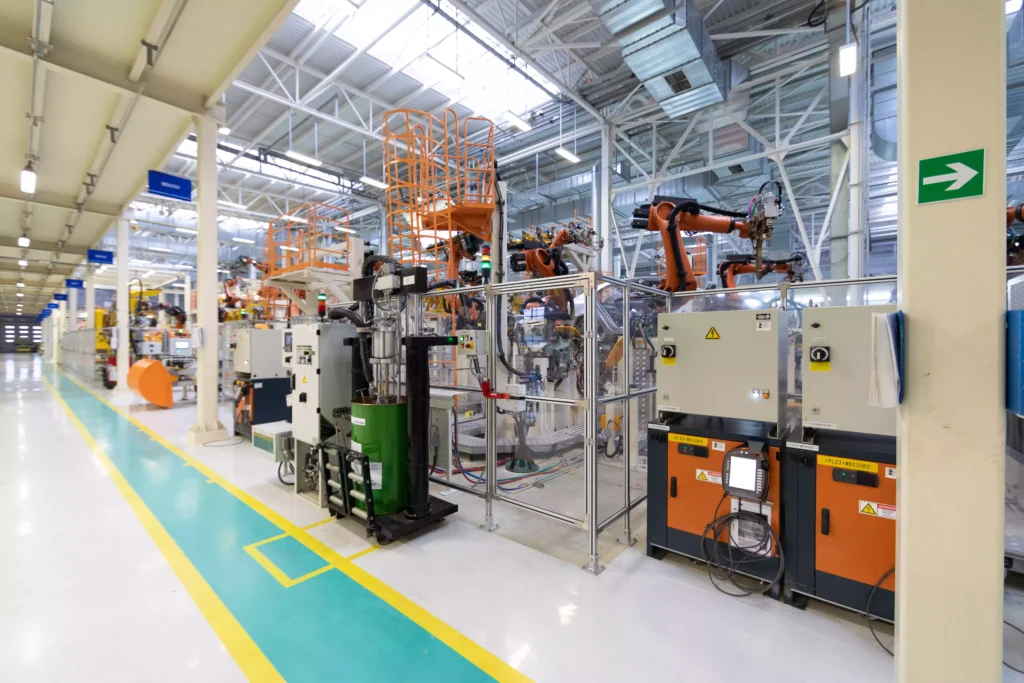
- Automotive Industry
In the automobile manufacturing industry, equipment and facilities are organised based on the sequence of production of components and the car assembly line. Therefore, the plant layout must focus on minimising waiting times.
Safety and Risk Prevention
Safety plays a crucial role in industrial plant design. In this regard, identifying and assessing the risks associated with production, and implementing measures to prevent accidents and ensure worker safety, require the application of specific resources.
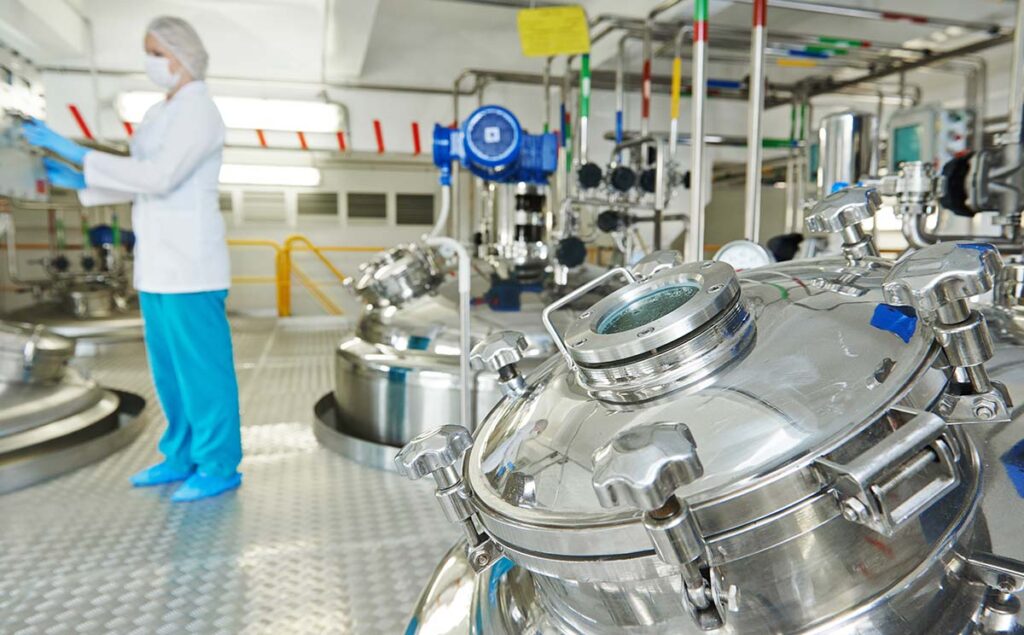
- Chemical Industry
When handling hazardous chemicals, appropriate safety measures must be implemented, such as ventilation systems, secure storage areas, and emergency control systems.
Sustainability
It is very important today to consider environmental and social aspects in production for several reasons:
- Environmental Impact: Industrial plants can have a significant impact on the environment, whether through the emission of greenhouse gases, the generation of toxic waste, air and water pollution, among others. A sustainable design can minimise this footprint by selecting appropriate materials, implementing cleaner technologies, and properly managing waste.
- Operational Costs: Using more efficient and cleaner technologies can reduce energy consumption and, therefore, lower supply costs. On the other hand, efficient waste management can reduce costs associated with the disposal of toxic waste.
- Business Reputation: Companies that care about the environment and sustainability tend to be more attractive to consumers, investors, and employees.
Energy Industry
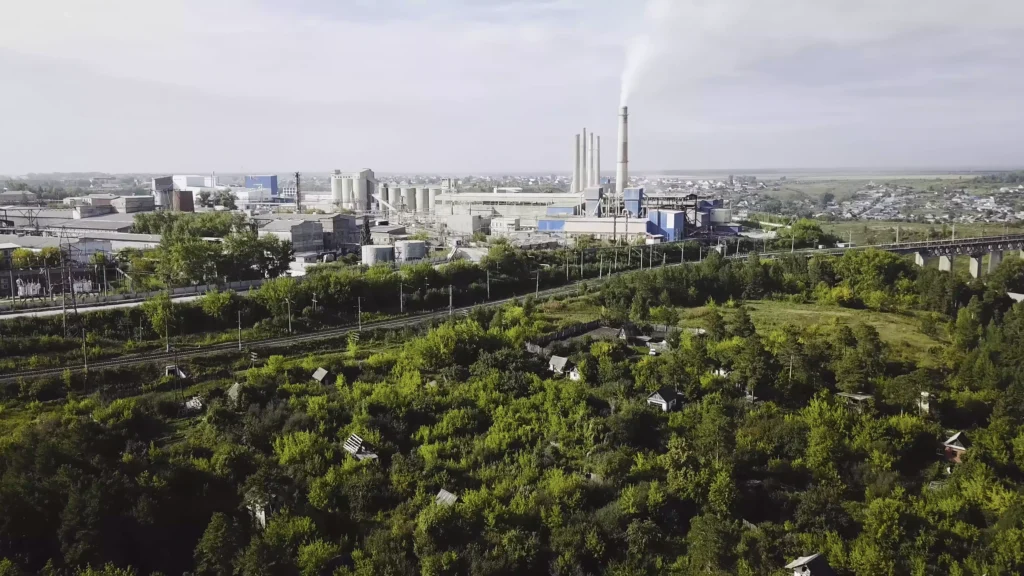
The energy production sector is undergoing a major transformation. As such, the design of production facilities aims to utilise renewable energy sources, reduce greenhouse gas emissions, and manage waste more effectively.
IDEA: Experts in Industrial Plant Design
In conclusion, this type of project requires the foresight of numerous factors, such as those we have mentioned.
One example of this is the design developed for Symborg, a plant with a production capacity of 40,000 tonnes of biofertilisers per year. The project includes the construction of an industrial warehouse, the installation of specialised machinery and equipment, as well as the implementation of a waste management system and a quality control system to ensure the production of high-quality fertilisers. Discover more about our industrial project engineering services.
At IDEA, we are experts in industrial plant design, applying social, environmental, and economic criteria to ensure the long-term sustainability of our clients’ operations.
Mucho más que una ingeniería.
Mucho más que una ingeniería.