

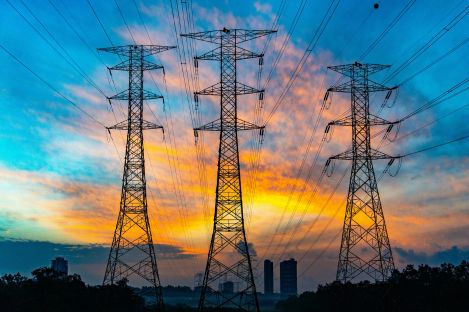
Electricity has been reaching our homes for decades, generated at a power station, transported through cables, and consumed without the system knowing much about what was happening at each point in the network.
A model that served its purpose for a long time, but one that no longer meets the demands of a more dynamic, more distributed, and increasingly renewable-dependent consumption. This is why smart grids have become a growing reality. And understanding how they work helps us grasp where the energy we use every day is heading.
What is a smart grid?
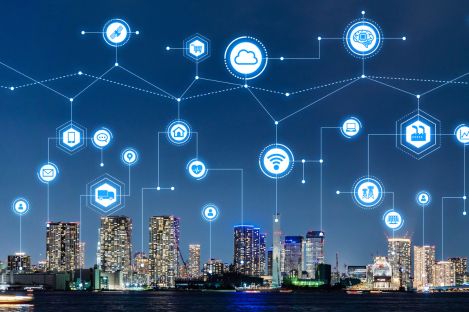
A smart grid is an energy distribution system that incorporates digital technology, sensors, and two-way communication to manage the flow of electricity dynamically. The difference from a conventional grid is one of philosophy. Rather than simply transporting electricity from one point to another, a smart grid listens, processes, and responds.
1. Lenguaje vago y términos no regulados (Ej: "Natural", "Eco-friendly")
Imagina un corte de suministro en una red tradicional. Los técnicos reciben el aviso, identifican el tramo afectado y se desplazan hasta allí para repararlo. Mientras tanto, miles de hogares esperan. En una red eléctrica inteligente, ese mismo fallo se detecta de forma automática en cuestión de segundos; el sistema redirige el flujo por rutas alternativas y el impacto se reduce al mínimo. Esta capacidad de autorreparación es una de las transformaciones más concretas que distingue ambos modelos.
How does it improve energy management? Key benefits
Talking about benefits in the abstract is straightforward. What is interesting is seeing how a smart grid changes things for those who manage the system and for those of us who simply want the lights to work reliably and the bill to hold no surprises.
Greater energy efficiency and reduced losses
In conventional grids, a portion of energy is lost during transport before it reaches its destination. The real-time monitoring offered by smart grids makes it possible to identify exactly where those losses occur and act on them. The result is a system that makes better use of every kilowatt generated, with less waste and an operation more closely aligned with actual demand.
Integration of renewable energy sources
Solar and wind energy are not always available when they are needed most. Production depends on the sun and the wind, not on consumption peaks. A smart grid is designed to store surplus energy when production is high, release it when supply is low, and continuously balance supply and demand. Without this kind of infrastructure, the energy transition towards renewable sources would be far harder to sustain at scale.
Consumer empowerment
With a smart grid, consumers have access to detailed information about their own usage: how much they are spending, at what times, and how they can adjust their habits to reduce their bill. Those who also generate their own energy — for example, with solar panels on the roof — can feed surplus electricity back into the grid and receive compensation for it. They thus move from passive consumers to prosumers, with an active role in the system.
Fewer outages and improved reliability
The early detection and self-management mechanisms of smart grids mean that supply outages are less frequent and, when they do occur, shorter in duration. The grid anticipates problems, isolates them, and responds before they affect a large number of users. In emergency situations, this capability is of the utmost importance.
Challenges and barriers to full implementation
With all of the above in mind, it is worth asking why smart grids are not already fully widespread. The answer has several layers, and none of them invalidates the path forward; they simply place it in its proper context.
Infrastructure investment
Modernising an electrical grid that has been operating in the same way for decades takes time and money. Replacing equipment, integrating digital technology, and training technical teams involves a high upfront cost that requires long-term planning. What the data shows, however, is that this investment is recovered through savings in maintenance, losses, and operational management.
Cybersecurity and data protection
A smart grid is, to a large extent, a digital network. And that exposes it to risks that traditional infrastructures did not face. Protecting the system against cyberattacks and ensuring the privacy of consumption data are priorities that the sector works on continuously, developing more robust security protocols and specialist teams in this area.
Regulation and technological standards
For a smart grid to function effectively, systems from different manufacturers must be able to communicate with one another, and the regulations of different countries must be sufficiently aligned to facilitate large-scale projects. Advancing common standards is an ongoing task, with institutions and companies in the sector working on regulatory frameworks that bring stability and coherence to the process.
For a smart grid to function effectively, systems from different manufacturers must be able to communicate with one another, and the regulations of different countries must be sufficiently aligned to facilitate large-scale projects. Advancing common standards is an ongoing task, with institutions and companies in the sector working on regulatory frameworks that bring stability and coherence to the process.
¿Buscas una empresa experta en proyectos innovadores y sostenibles?
¿Buscas una empresa experta en proyectos innovadores y sostenibles?