

In recent years, the rise in energy costs has led many private companies to rethink the way they consume electricity.
La dependencia energética, la volatilidad de los precios y las preocupaciones medioambientales han impulsado el interés por modelos energéticos más sostenibles.
In this context, energy self-consumption has established itself as one of the most effective solutions for reducing costs, improving energy independence, and contributing to the transition towards a more sustainable energy model.
The ability to generate one’s own electricity through photovoltaic systems allows organisations to optimise their consumption, harness natural resources, and reduce their environmental impact. At IDEA TSG, we believe that self-consumption is not merely an energy alternative, but a long-term strategy for efficiency and sustainability.
What is energy self-consumption and how does it work?
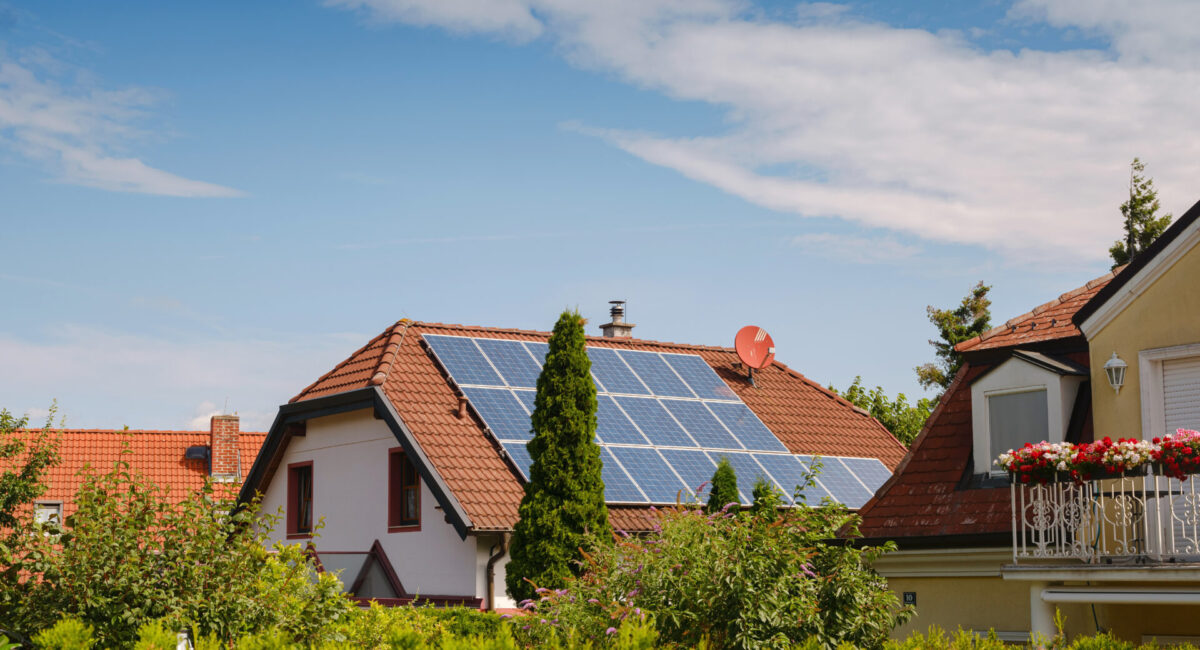
Energy self-consumption involves producing electricity for one’s own use through generation systems installed at the point of consumption. In most cases, energy is obtained through photovoltaic solar installations, the operation of which is relatively straightforward: solar panels capture solar radiation and convert it into electrical energy, which is then used to power the appliances of a home or business.
When production exceeds consumption, the surplus can be stored in batteries or fed into the electricity grid, generating financial compensation in accordance with current regulations. This model not only allows energy consumption to be optimised, but also helps reduce dependence on traditional electricity companies.
Advantages of producing your own electrical energy
Adopting self-consumption systems offers multiple benefits, both economic and environmental. More and more businesses and households are embracing this solution to improve their energy efficiency and reduce operational costs. The main advantages of energy self-consumption include:
Economic savings: how much can you reduce your monthly bill?
Uno de los principales incentivos del autoconsumo es el ahorro en la factura eléctrica. Al producir parte o la totalidad de la energía que se consume, se reduce significativamente la cantidad de electricidad que debe adquirirse de la red.
One of the main incentives for self-consumption is the saving on the electricity bill. By producing some or all of the energy consumed, the amount of electricity that needs to be purchased from the grid is significantly reduced.
Energy independence and protection against price rises
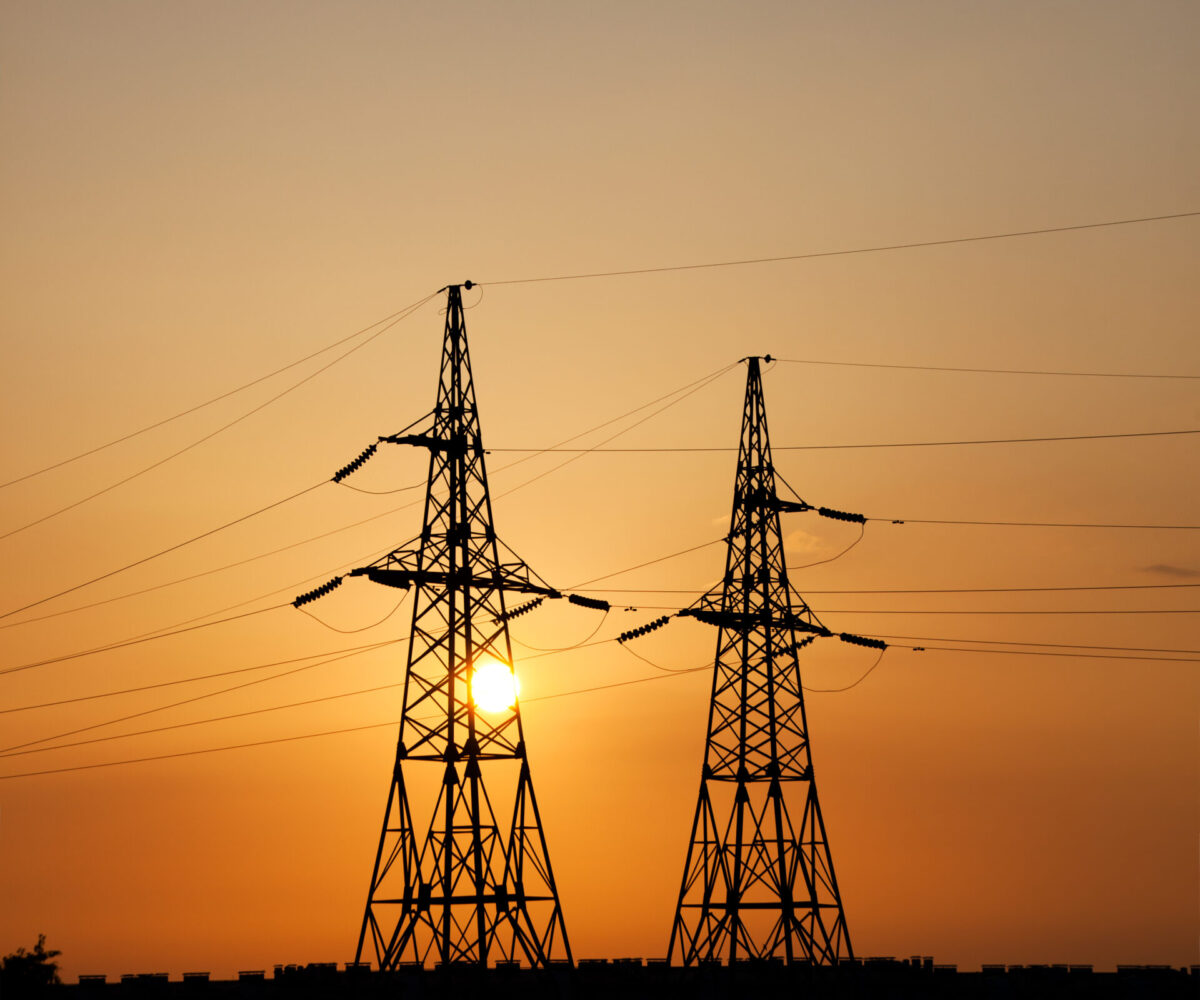
Relying exclusively on external suppliers can pose a significant economic risk for businesses and consumers alike, as the energy market is currently highly volatile. Self-consumption reduces this dependence by enabling the generation of one’s own electricity, which provides protection against energy price fluctuations and brings greater stability to energy costs.
Sustainability: reducing the carbon footprint and CO₂ emissions
Solar energy generation is clean and renewable, meaning it produces no polluting emissions during operation. For this reason, adopting self-consumption systems helps reduce the carbon footprint and supports the transition towards more sustainable energy models. Furthermore, for many organisations it represents an opportunity to reinforce their social responsibility and corporate sustainability commitments.
Key components of a photovoltaic installation
For a self-consumption system to function correctly, it is necessary to integrate different components that work in a coordinated manner within the installation, including:
Solar panels
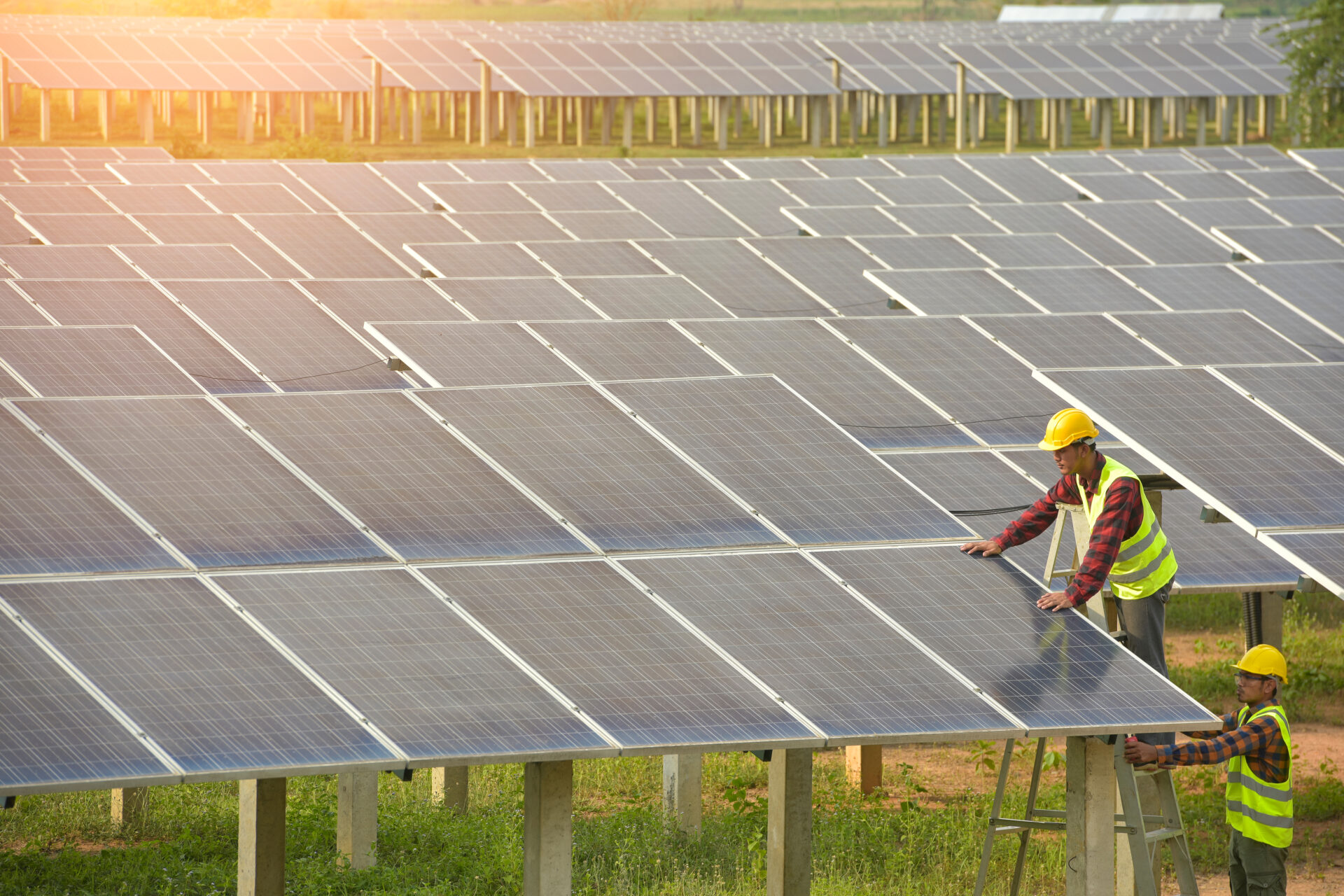
These are the main element of any photovoltaic system, and their function is to capture solar radiation and convert it into electricity through photovoltaic cells. The efficiency of the panels and their correct orientation directly influence the amount of energy that can be generated.
The solar inverter
This is the device responsible for converting the direct current generated by the solar panels into alternating current, which is the form of electricity used by electrical equipment and appliances. Many inverters now include monitoring functions that allow the performance of the installation to be tracked in real time.
Physical batteries vs virtual batteries
Batteries are the devices that allow the energy generated to be stored when it is not being consumed, for use at a later time.
- Baterías físicas: almacenan la electricidad en sistemas de acumulación instalados en la propia vivienda o empresa.
- Virtual batteries: these allow the economic value of surplus energy fed into the grid to be accumulated, which is subsequently deducted from the electricity bill.
Steps to legalise and set up your installation
In order to set up a self-consumption installation, a series of administrative and regulatory requirements must be met:
Certificates, licences, and current regulations
Before setting up a photovoltaic installation, it is mandatory to obtain certain licences and certificates that ensure the system complies with current electrical regulations. The required procedures include:
- Legalisation of the installation.
- Registration with the relevant authorities.
- Technical verification of the system.
Grants and tax deductions
Today there are various public assistance programmes (grants) aimed at promoting the energy transition, which can cover a significant portion of the installation cost. In addition, in some cases tax deductions apply that reduce the overall cost of the project.
Surplus compensation
When an installation produces more energy than is consumed, the surplus can be fed into the electricity grid. Current regulations allow this energy to be offset against the electricity bill, further reducing the final cost of consumption.
Energy self-consumption: medium and long-term savings
Energy self-consumption has become one of the most effective solutions for reducing costs, improving energy efficiency, and moving towards a more sustainable model. The ability to generate one’s own electricity allows businesses and households to optimise their consumption, reduce their energy dependence, and contribute to the reduction of polluting emissions.
A well-sized photovoltaic solar energy system not only generates economic savings in the medium and long term, but also represents a strategic investment in sustainability and energy resilience.
If you would like to generate your own energy and find out how to implement a self-consumption system tailored to your needs, get in touch with us. At IDEA, we will help you optimise your energy consumption in an efficient and sustainable way through our specialist solutions.
¿Buscas una empresa experta en proyectos innovadores y sostenibles?
¿Buscas una empresa experta en proyectos innovadores y sostenibles?