
Europe accelerates in energy storage batteries, but there is still ground to cover: Outlook 2025–2029
The use of energy storage batteries in Europe has become firmly established as one of the strategic pillars of the energy transition. The growing integration of renewable energies such as solar and wind makes it essential to have systems capable of balancing the grid, ensuring security of supply and reducing dependence on fossil fuels.
According to the European Market Outlook for Battery Storage 2025–2029 report by SolarPower Europe, 2024 closed with a new record: 21.9 GWh of capacity were installed, bringing the total cumulative capacity across the continent to 61.1 GWh.
Slower growth, but sustained
Although record figures were reached, market growth slowed. In 2024, growth stood at 15%, a figure notably lower than the extraordinary increases of previous years, when the energy crisis and high electricity prices drove an accelerated expansion in demand.
This shift in dynamics reflects a transition towards a more stable and diversified market, in which large-scale installations are beginning to take centre stage over the previously dominant residential segment.
Shift in the dynamics of the energy storage battery market in Europe
The report highlights uneven performance across segments:
- The residential segment fell by 11%, although it still accounts for 50% of the market.
- The utility-scale segment (large batteries connected to the grid) grew by 79%, reaching 40% of the total.
- The commercial and industrial (C&I) sector experienced more moderate growth, but it remains key for companies seeking energy independence and cost reduction.
This shift marks a turning point: large-scale batteries are emerging as the driving force behind future expansion and as a fundamental tool for Europe to achieve a flexible, resilient and decarbonised electricity system.

Outlook for energy storage batteries in Europe in 2029
The forecasts are clear-cut:
-
By 2029, installed capacity will reach 400 GWh under the medium scenario.
-
In the most optimistic scenario, capacity could exceed 600 GWh.
-
However, to meet energy transition targets and ensure the flexibility of the electricity system, the European Union should reach 780 GWh by 2030.
This highlights the gap between projected capacity and actual needs, underlining the urgency for more ambitious public policies, investment incentives and greater collaboration between countries and sectors linked to energy storage batteries in Europe.
Leadership and geographical concentration
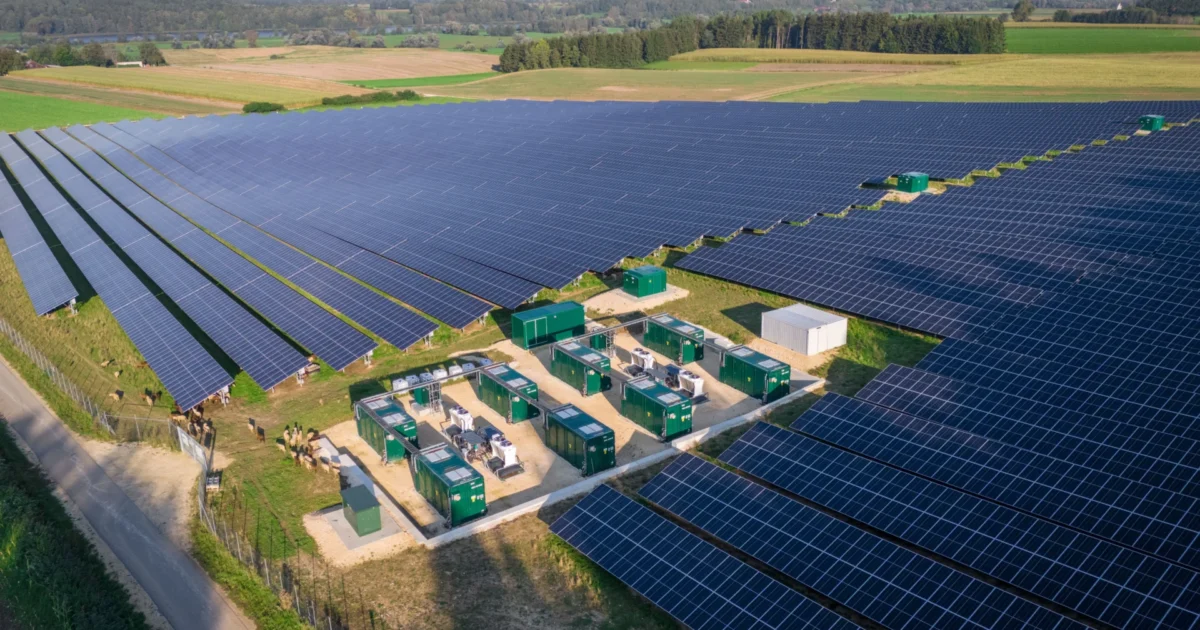
The market remains highly concentrated: Germany, Italy and the United Kingdom accounted for 70% of installations in 2024. These countries have led adoption thanks to support programmes, advanced regulatory frameworks and a strong commitment to electrification.
Nevertheless, other players are beginning to gain relevance. Austria and Sweden surpassed one gigawatt-hour of annual capacity for the first time, showing that the technology is starting to expand beyond traditional markets.
More than 3 million residential batteries in Europe
One of the most significant findings is the rapid adoption of residential batteries. In just three years, more than 3 million European households installed storage systems, enabling:
-
To reduce dependence on the electricity grid.
-
Savings of up to €2,400 per year on energy bills.
- Greater protection against price volatility.
-
Direct contribution to the reduction of CO₂ emissions.
These figures show how energy storage batteries in Europe are not only key for large-scale infrastructure, but also a practical and accessible solution for households.
Energy storage as a driver of the energy transition
The role of these batteries goes beyond the technical sphere. Their development is essential to:
-
To stabilise the electricity grid and ensure security of supply.
-
To maximise the use of renewable energy, avoiding the curtailment of surplus generation.
-
To reduce emissions and move towards climate neutrality targets.
-
To offer more stable and competitive prices for consumers and businesses.
In this regard, the report highlights the need for a European Action Plan for Energy Storage that harmonises regulations, removes barriers and creates the conditions to accelerate investment.
An opportunity and a challenge for Europe
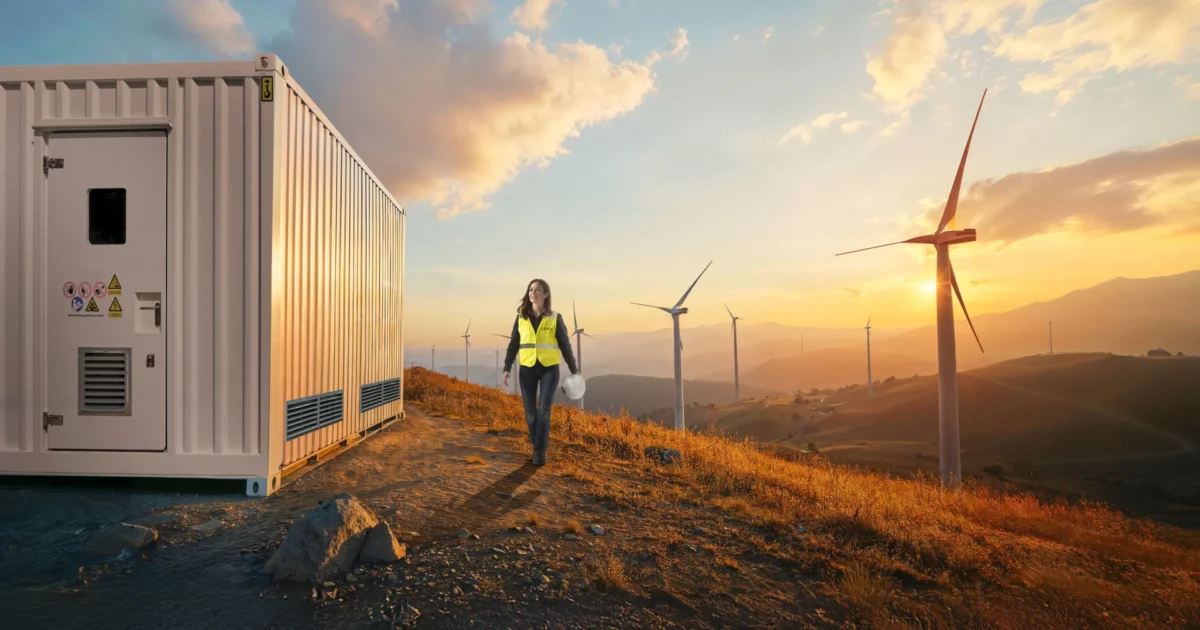
Energy storage batteries in Europe are set to become the backbone of the electricity system. Growth up to 2029 will be significant, but insufficient if efforts are not intensified.
At IDEA TSG, we closely monitor these trends and work to deliver innovative technological solutions that support companies, institutions and communities in the transition towards a cleaner, safer and more resilient energy model. Our commitment is to drive projects that combine efficiency, sustainability and flexibility—key pillars for the continent’s energy future.
¿Buscas una empresa experta en proyectos innovadores y sostenibles?
¿Buscas una empresa experta en proyectos innovadores y sostenibles?