
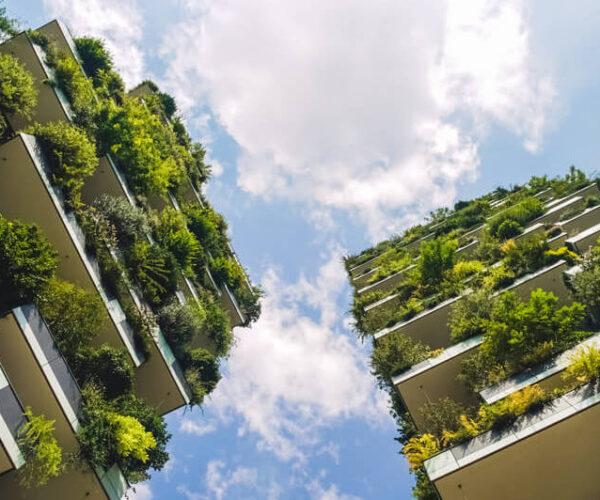
Bioclimatic architecture has gained ground in the construction world in recent years. With significant benefits for the environment, this type of architecture is not just a trend but a vital necessity to combat the effects of climate change.
This article will discuss what this concept is, the different types of bioclimatic architecture that exist, some important strategies and elements of its development, as well as the benefits it generates. Before that, a question that will be answered in the article: Can a building be environmentally friendly from its conception?
What is Bioclimatic Architecture?
Bioclimatic architecture refers to buildings constructed by considering aspects related to the local climate, utilizing the surroundings for aesthetic integration, and prioritizing thermal comfort by taking into account the various environmental sources of it.
Among the main objectives of this type of architecture are the development of comfortable and healthy spaces for the inhabitants. All of this involves a comprehensive respect for the environment. To achieve this goal, certain types of materials must be used, while others should be avoided; local biodiversity must be considered; energy must be used responsibly, and so on.
To achieve these objectives, the principles of this architecture are based on several precepts:
- Efficient design: Make the most of energy by reducing consumption and potential leaks.
- Smart use and control of space: Proper areas to optimize energy usage.
- Sustainable materials: Use stones, natural fibers, recycled elements, wood, etc., in construction.
- Use of renewable energies: They integrate different types of energy, such as solar, hydraulic, geothermal, and wind energy.
- Use of technology: To always promote energy efficiency.

Tipos de Arquitectura Bioclimática
Bioclimatic architecture is based on several key points that determine the type of construction and the project’s outcome:
- Orientation: Based on the position of the sun to take advantage of natural light.
- Sun and solar protection: Protect the building from solar radiation.
- Thermal insulation: Thick walls, semi-buried buildings, etc.
- Cross ventilation: The idea is to create optimal ventilation throughout the building.
- Energy integration (renewable): Use of non-polluting and self-generated energy.
- Green rooftops: To maintain humidity and temperature constant beneath the roof they are on.
- Wind barriers: They prevent drafts in buildings. They also reduce the thermal sensation caused by wind.
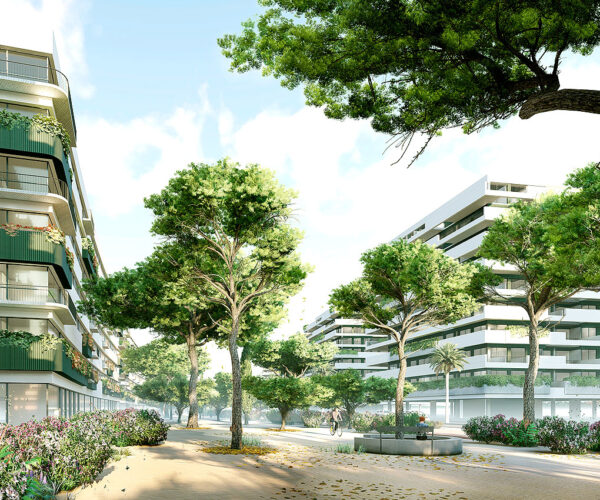
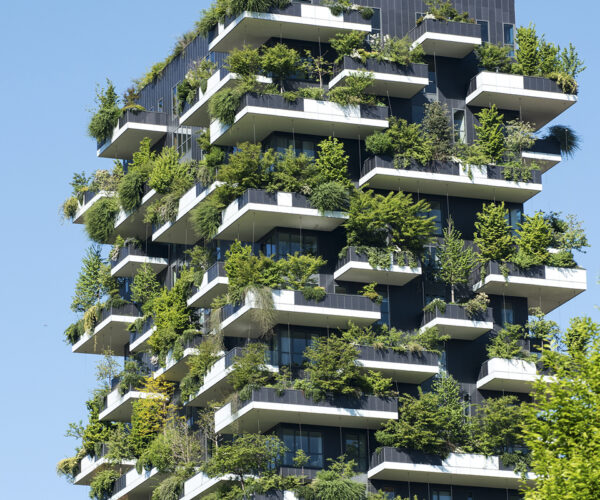
Considering these four key points, the types of bioclimatic architecture can be divided into three, based on energy capture: direct, indirect, and separated.
- Direct capture: Also known as passive direct capture, these systems are developed in architecture to immediately and easily capture energy. For example, homes that capture energy from the sun. This type of system must consider two aspects: energy losses that may occur during the winter, especially at night, and the excessive temperatures that occur in the summer.
- Indirect capture: Passive indirect capture systems use a special collector, whose purpose is to conduct heat through a space that was designed and integrated into its own structure.
- Separated capture: Separated capture systems also use a collector, which conducts thermal energy through the same space as the indirect system, but in this case, it is separated (not too far) from the home. If these were further away, they would not be considered passive, as they would require forced energy transportation.
Advantages of Bioclimatic Architecture
As we mentioned, bioclimatic architecture has multiple benefits for environmental conservation, as well as for the users or homeowners. Some of the most notable ones are as follows:
- Savings on consumption through better energy management, which can lead to lower bills, and even achieving energy self-sufficiency.
- Thermal comfort by maintaining a constant temperature in the home throughout the year.
- Reduction of the carbon footprint and water footprint by minimizing greenhouse gas emissions and optimizing water consumption, respectively.
- Reduction of noise pollution through the use of specific insulating materials.
- Active sustainability by harnessing the use of renewable energies such as wind, geothermal, turbines, aerothermal, and self-generated electricity.
- Environmentally responsible construction processes by using resources more efficiently and carefully, improving our sustainable living habits through a more rational use of energy.
Defining the types of bioclimatic architecture involves different aspects that we at IDEA carefully consider. Discover some of our architectural projects that respect the environment and make the most of energy. The world is becoming greener, and buildings are increasingly designed to take advantage of what nature offers, resulting in savings and minimizing harm to our surroundings. That’s why at IDEA, we are committed to bioclimatic and sustainable architecture.
Mucho más que una ingeniería.
Mucho más que una ingeniería.