We are accustomed to seeing many electrical substations on every road trip, but beyond transporting energy, do we really know what they are for, how they work, or what types exist?
First of all, one thing we must understand is that the electricity that reaches each of our homes must arrive with the appropriate power and be completely safe for us to use our electrical appliances. And this is only possible thanks to the different types of electrical substations that exist. In this post, we will reveal their importance and how they work.
What Are Electrical Substations (SET)?
SETs are responsible for transforming voltage, frequency, number of phases, rectifying and compensating power, or making connections between circuits. In other words, they are the infrastructure that levels the appropriate voltage to produce, convert, regulate, and distribute electricity so that it can reach any geographical area. Therefore, the installation of electrical networks is a key task for the development of a country.
And why are they so important? Simple, since electrical substations are responsible for regulating the voltage and balancing between the different phases (causing less variation in voltage), they help provide greater supply security and ensure a regular and conscious use of energy, as well as considerable savings.
Everything About Electrical Substations
A key difference between an electrical substation and a transformer station is that the former supports and transforms relatively low voltages, while the latter handles high and medium voltages. Given the connection between both, it is essential that they are strategically located near each other.
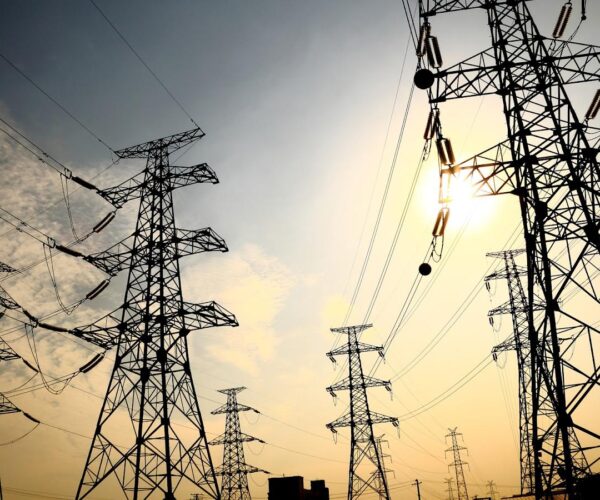
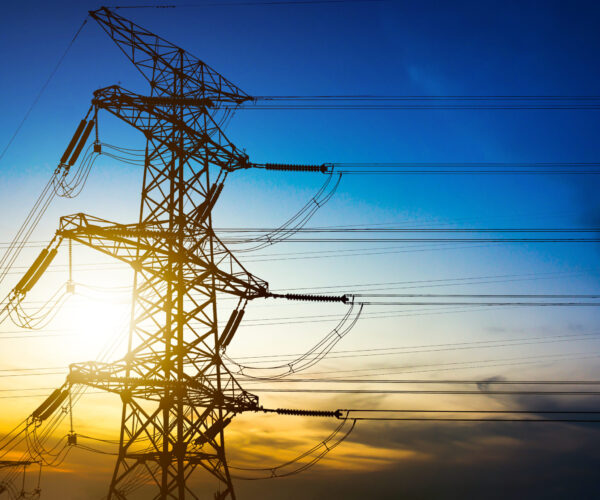
SETs can be found in different locations. For example, in large cities, they are often located inside buildings to save space and reduce environmental impact, while when situated on the outskirts, they are typically outdoors. However, they can also be located on the outskirts regardless of whether they are inside or outside the infrastructure.
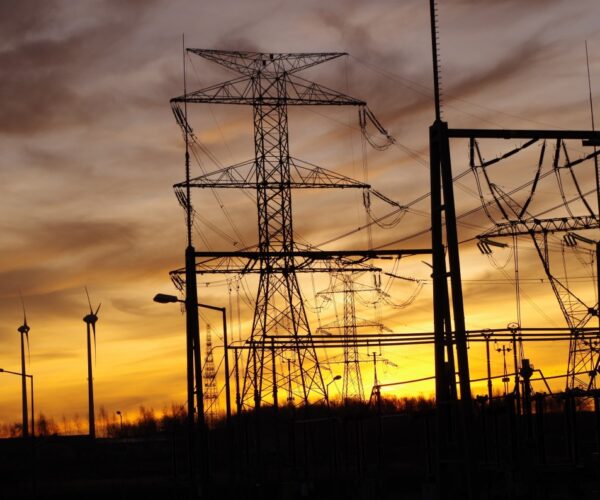
Types of Electrical Substations
It is possible to distinguish between two types of substations depending on the voltage they operate with, how they function, and even the specific needs of the locations in which they operate.
- Transformation Substations: These substations use one or more transformers to, as their name suggests, transform the electrical energy voltage from one level to another. These can be step-up substations when they increase the voltage from medium to high or very high levels for transportation, or step-down substations when they reduce the voltage from very high or high levels to medium for optimal subsequent distribution.
- Switching Substations: These do not transform any voltage. Instead, they are used to connect two or more circuits, allowing the creation of junctions in a network that ensures a more reliable system.
How Do Electrical Substations Work?
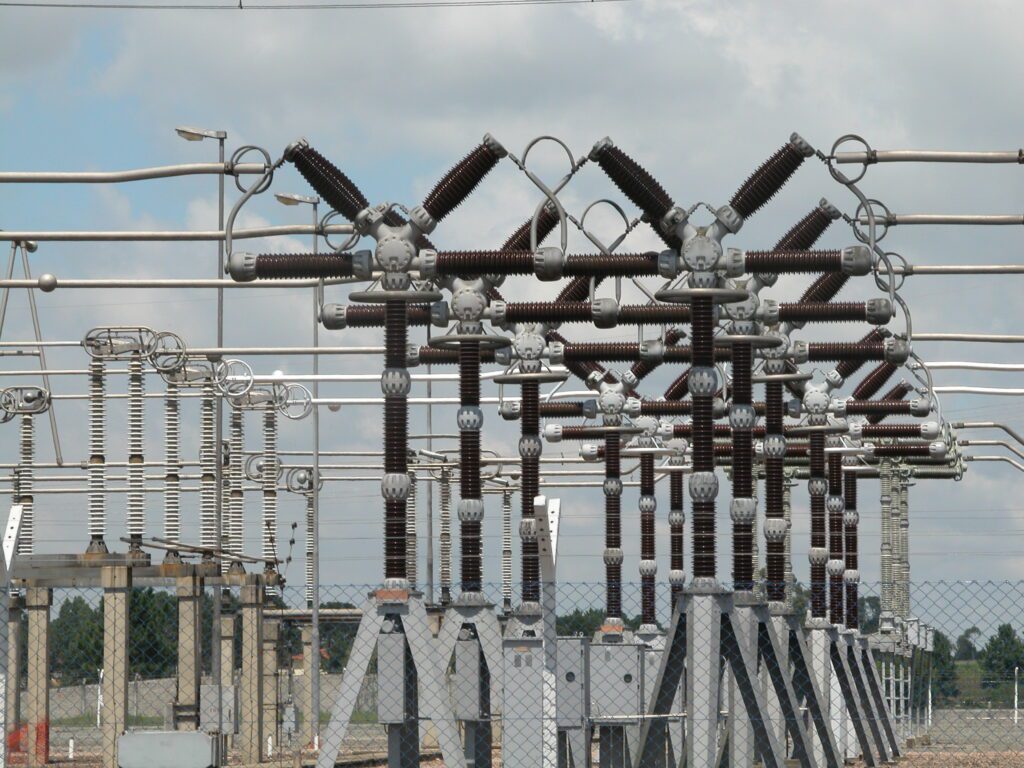
Basically, electrical substations (SET) are divided into three sections: one for measurement, one for passage, and one for switching. However, for them to perform their work correctly, they require the following components:
- Transformer: It is the central part of a substation and is responsible for increasing or decreasing the voltage level while keeping the power and frequency of the energy constant. However, not all substations have one.
- Instrument Transformers: There are two types: current transformers, which change the current value from primary to secondary, and potential transformers, which alter the voltage without considering the current.
- Power Circuit Breaker: As its name suggests, it interrupts the current in the event of a short circuit and restores the continuity of the electrical circuit.
- Restorer: It is also a type of circuit breaker that operates when there is an excess of electricity, halting the circuit. It has three contacts located in a single tank, operates with low capacities, and works with up to four closing operations.
- Lightning Arresters: These are electrical arcs responsible for keeping ionized lightning away, meaning they ensure the current discharges to the ground instead of onto equipment, installations, or people. It is important that they remain connected at all times.
- Capacitors: They make it possible to store the energy produced in an electric field. The storage occurs temporarily through two conductors.
- Fuse Switches: They act as a protection element for the fuse by connecting and disconnecting electrical circuits in the event of an overcurrent.
- Test Switches or Disconnectors: Their function is to manually disconnect the circuit in the event of a fault.
Electrical substations are vital for ensuring that electricity reaches homes at optimal levels. At IDEA, we have multiple electrical projects that help achieve the set goals. Contact us if you have any questions regarding this!
Mucho más que una ingeniería.
Mucho más que una ingeniería.